
Warsaw, Poland, March 31, 2023
Datacenter heat reuse options and methods
As demand for computing power continues to accelerate, the requirements placed on data center infrastructure are rising just as rapidly. The growth of AI-driven applications, high-performance computing, and increasingly dense server environments is reshaping the industry and making efficient, reliable liquid cooling a critical factor in ensuring performance, scalability, and operational resilience.
The topic of data centers and their impact on the environment has become increasingly important in recent years, with both the public and government putting pressure on companies to reduce their carbon footprint and move towards a zero GWP (Global Warming Potential).
To achieve these goals governments are introducing policies and regulations that encourage data center operators to reduce their carbon footprint and transition to renewable energy sources. For example, in the European Union, the Green Deal and the Climate Law set ambitious targets for reducing greenhouse gas emissions and increasing the share of renewable energy sources.
Data center operators are exploring various strategies, including the use of renewable energy sources, such as solar and wind power, and the implementation of liquid cooling systems. Some data center operators also look forward exploring opportunities for heat reuse and cooperation with local community or industry partner. Datacenter heat reuse has become and most important topic in the industry nowadays, and there are a number of methods and systems available for this purpose.
Let’s explore 8 different opportunities for heat reuse applications:
- District heating: District heating is a method of heating buildings by usinga centralized heating system that distributes hot water or steam through pipes.The waste heat from a data center can be used to heat buildings in the surrounding area, reducing the need for separate heating systems in those buildings.
- Greenhouses: Waste heat from data centers can be used to heat greenhouses, providing an ideal growing environment for plants year-round. This is particularly useful in colder climates where it may not be feasible to grow certain crops outdoors. Greenhouse conditioning – to preserve certain climatic and environmental conditions in order to grow vegetables, flowers, and fruits. Repurposing datacenter heat to facilitate the climatic conditions for vegetation growth is particularly helpful in cold weather locations with fewer sunny days, like northern countries such as Canada, Finland, or Sweden. There are large applications with greenhouse heat reuse from typical food / flower farms but also for awesome cannabis farms in the USA where law allows cannabis production.
- Aquaculture: Aquaculture is the farming of fish, shellfish, and other aquatic organisms. Datacenter waste heat can be used to heat water in aquaculture facilities, providing a warm and stable environment for the organisms to grow.
- Absorption chillers: Waste heat can also be used to power absorption chillers, which use heat to create a cooling effect. This can be used to cool buildings or other facilities, reducing the need for separate cooling systems.
- Water heating: with return temperature in our enclosure elevated to 60C / 140F its enough for home or facility hot water circuit for an all-day purpose. The same concerns industrial scale or any production process. You will get 60-65C hot water supply 24/7 365 days a year.
- Food and drink production: food production systems like fish — aquaculture, algae, hydroponics, and insect farming all involve supplementing heat and can be combined with a Bitcoin mining operation to provide it. Another significant application for Server’s heat for the food industry is preservation as fruits, vegetables and meats may require drying and dehydration to prevent spoilage. Perhaps the most creative way for servers heat for industrial purposes is whisky production. Distilling alcohol requires high temperatures, and distilleries often have dedicated heating systems.
- Wood drying: whether to use it as construction material or as fuel, wood needs to be dry first. This can be a long process, so lumber yards often rely on artificial drying methods. Artificial or “oven” drying consists of storing the wood in thermally insulated chambers — called kilns. Once there, it is exposed to heat using natural gas or electricity through steam-heated heat exchangers. As you can imagine, generating heat through this process involves considerable costs due to the additional energy required. Servers can provide the necessary heat for wood drying while helping mitigate those losses through Bitcoin earnings. Instead of using natural gas, servers’ heat is transferred into the kilns through corrugated air pipes, raising the temperature and drying the wood for its industrial purpose.
- Water desalination: this energy intensive process requires distillation so that provides excellent opportunity to supply base heat from the bitcoin mining operation.
Heat reuse systems:
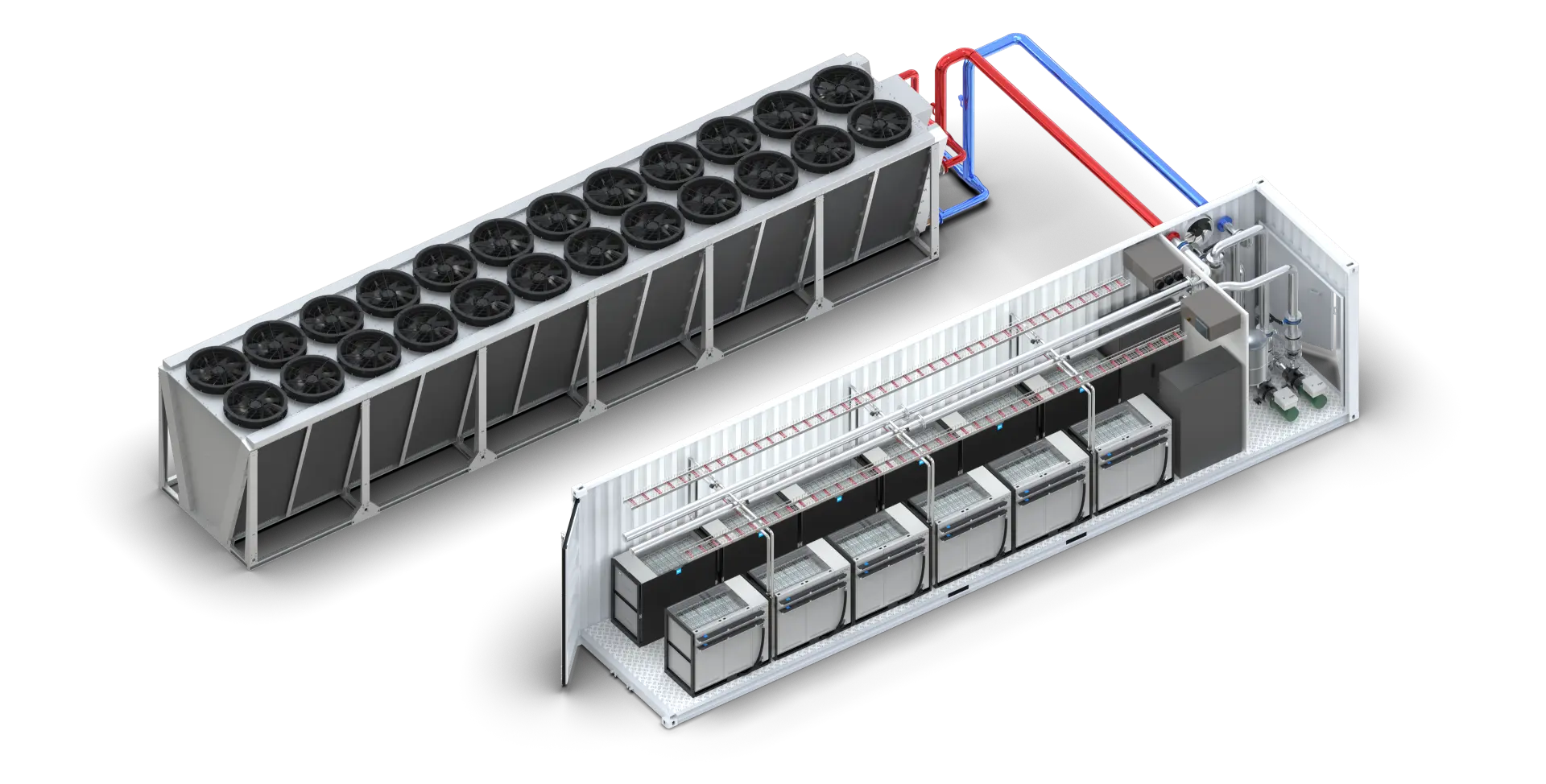
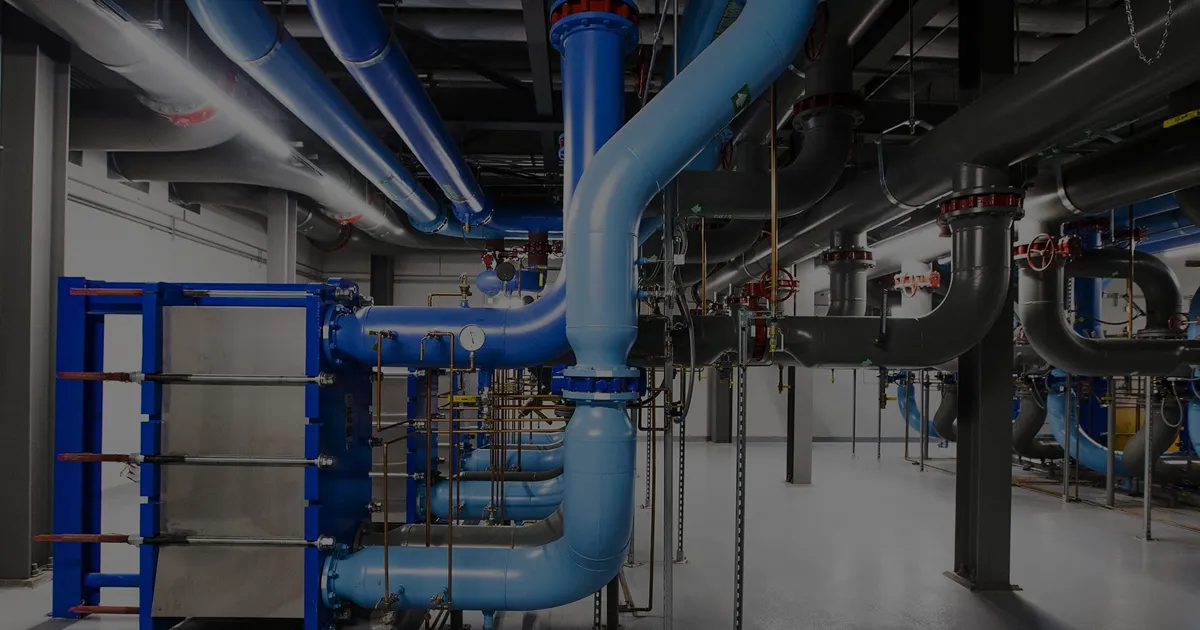
- Heat exchangers: A heat exchanger is a device that transfers heat between two fluids without mixing them. In a data center, heat exchangers can be used to transfer waste heat to a separate water loop that can be used for other purposes.
- Direct liquid cooling: Direct liquid cooling involves circulating liquid directly over the components of a server or data center, absorbing heat and carrying it away. This heat can then be reused for other purposes.
- Indirect liquid cooling: Indirect liquid cooling involves circulating liquid through a heat exchanger to cool the air in a data center. The waste heat can then be transferred to a separate water loop for reuse.
Overall, datacenter heat reuse is an effective way to improve energy efficiency and reduce operating costs. By reusing waste heat, data centers can also contribute to a more sustainable future by reducing the need for separate heating and cooling systems. With a variety of methods and systems available, IT or data centers companies can choose the option that best meets their specific needs and goals.
In conclusion, the pressure on data centers to reduce their environmental impact is increasing, and operators are exploring various strategies to achieve a zero GWP and negative carbon footprint. This trend is driven by the growing awareness of the role that data centers play in contributing to climate change, and by government policies and regulations aimed at reducing greenhouse gas emissions.
About DCX Liquid Cooling Systems
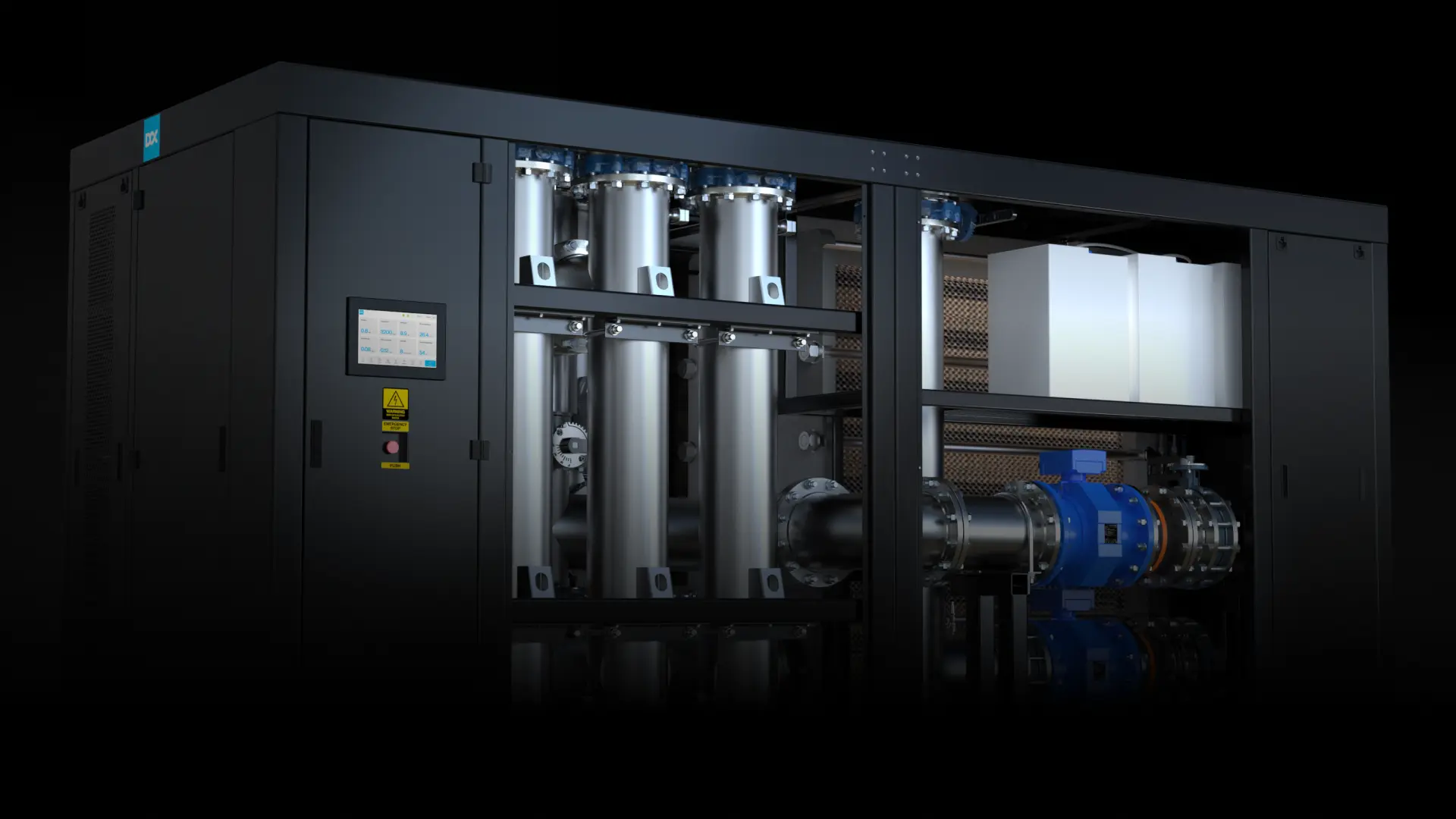
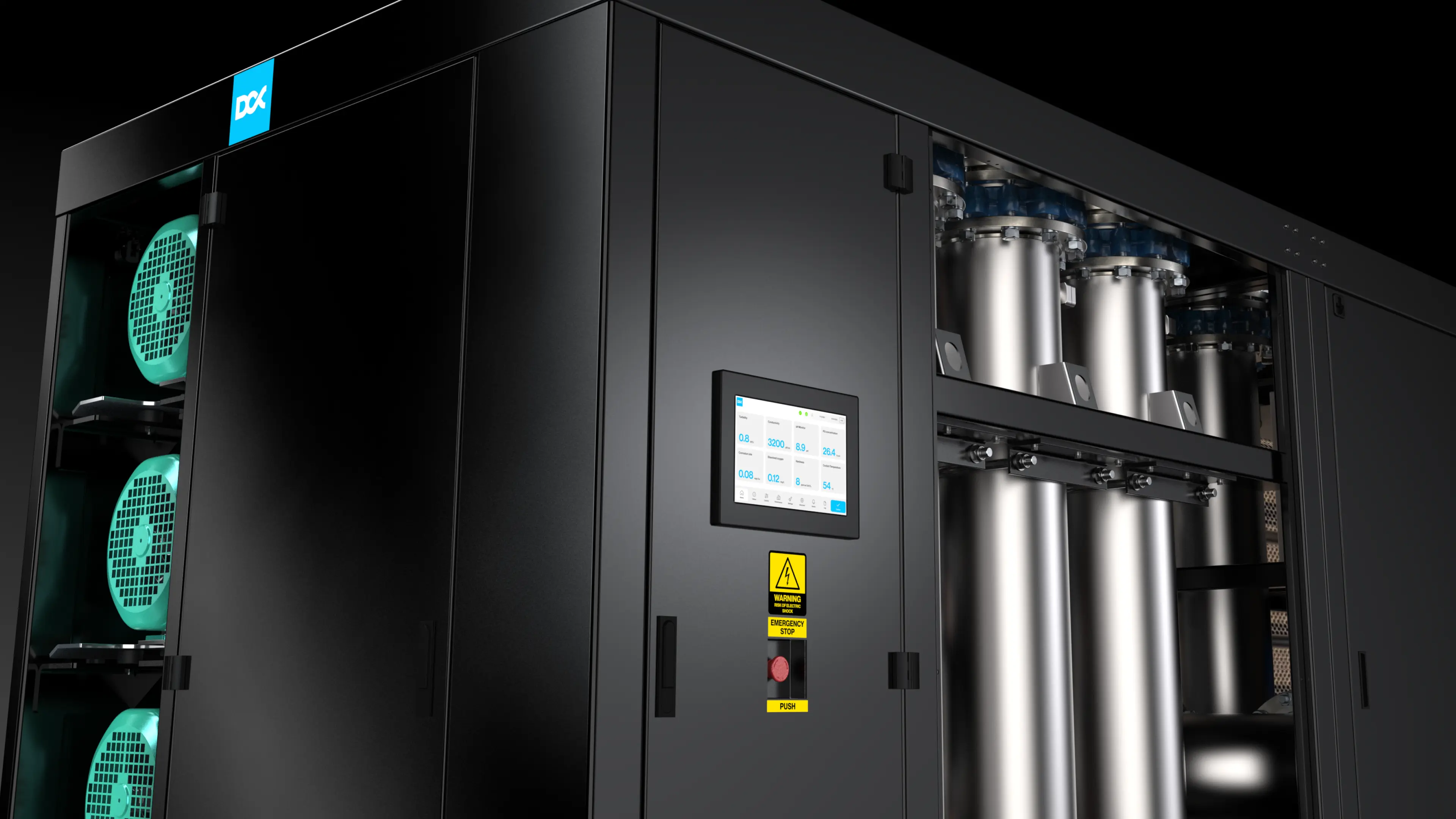
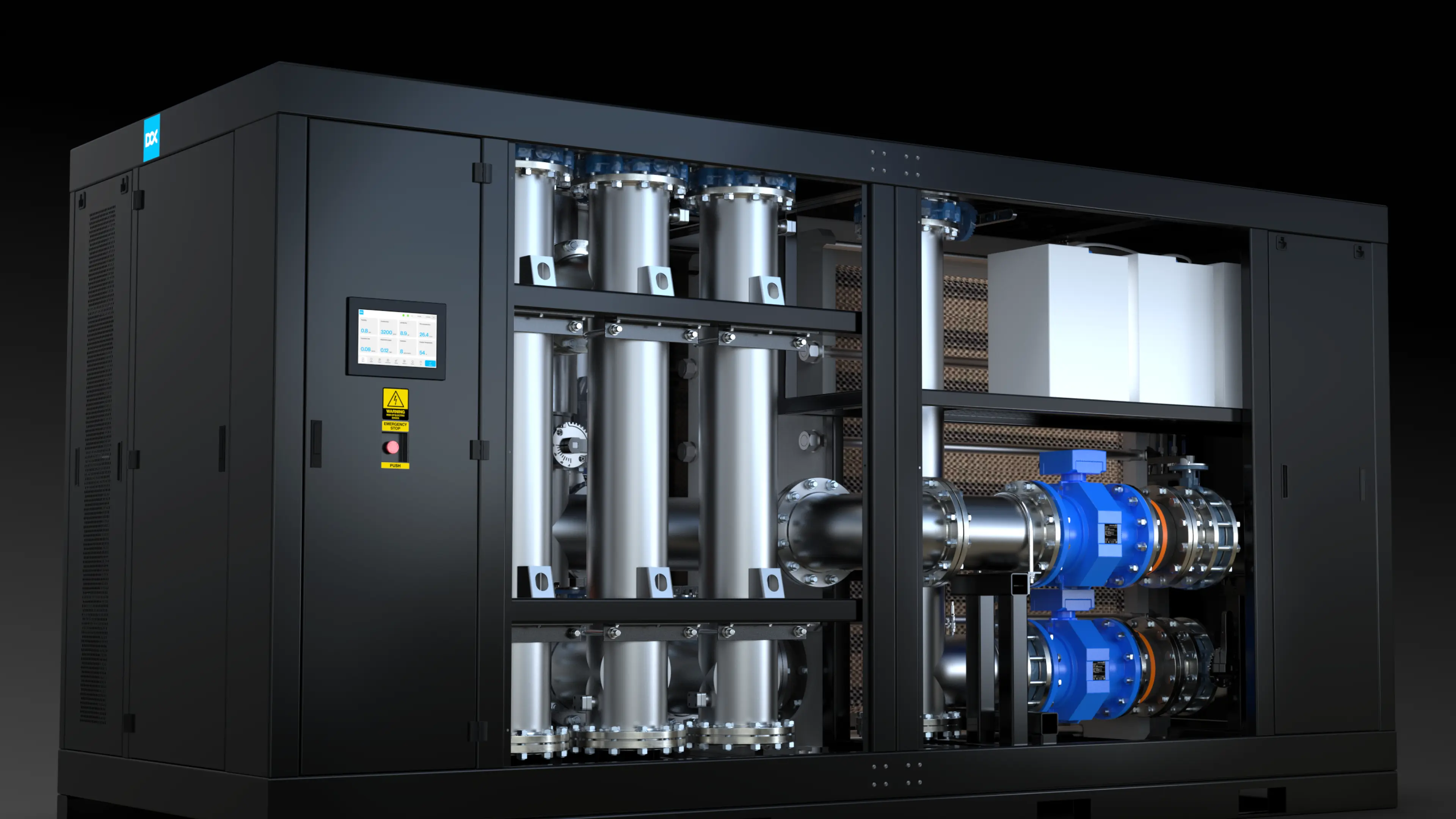
DCX Liquid Cooling Systems is a premier global manufacturer offering an extensive range of sustainable liquid cooling solutions, including both Direct Liquid Cooling and Immersion Cooling technologies. The company designs & manufactures Server Immersion Enclosures, Coolant Distribution Units (CDUs) including Hyperscale FDU (Facility sized CDU) system, CPU and GPU coldplates, manifolds and other components of liquid cooling system. DCX delivers Hydro & Immersion Containers and facility-based systems. DCX supplies Immersion Optimised Dry Coolers and a Thermasafe Dielectric Engineered Fluids. Hardware solutions are complemented with liquid cooled data hall design and implementation services, making DCX the first choice for liquid cooling systems’ supplier.
For More Information,
Please Contact
Jacek Dolny
Marketing Manager
jacek.dolny@dcx.eu

We Will Guide You the Whole Time
Everything starts with conversation. Trust us with your project and get us to work on your idea
Invite Us to Your Project
We support both small entities and large enterprises. Initial system design – free of charge.

Let’s Chat with Us
If you have a liquid cooling or heat reuse project – we are yours to talk. Free of charge.

Get the Support
A comprehensive remote, and on-site service. Included with every system we deliver.

Liquid Cooling Explained
Discover the future of data center cooling through a series of short, expert-led videos. Our CTO, Maciek Szadkowski, answers the most important questions, debunks common myths, and reveals what really matters when it comes to modern liquid cooling systems.
Watch the Series
Tell Us About Your Project
The more you tell us up front, the faster we can come back with a real design rather than a brochure. Where possible, include:
- IT load: target capacity in MW, and rack density in kW
- Hardware: GPU or accelerator platform, rack format (19", 21", ORV3), cold plate or immersion
- Loop conditions: available facility water temperature and flow, or "not decided yet"
- Heat rejection: dry coolers, chilled water, district heating, or open
- Site: city and country, plus design ambient temperature
- Timeline: target energisation date and whether this is new build or retrofit
Contact